By: Ganiyu Olayinka
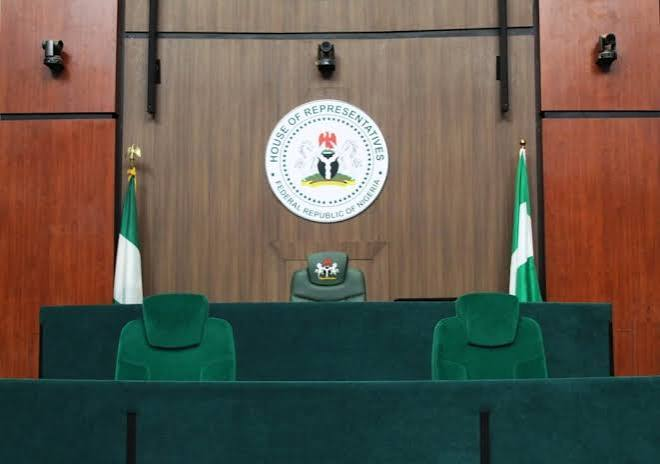
The House of Representatives has given the Hydrocarbon Pollution Remediation Project (HYPREP) seven days to appear before its Public Accounts Committee and account for the more than ₦400 billion set aside for the Ogoniland cleanup.
The warning comes after HYPREP ignored four earlier invitations to address concerns raised in the Auditor-General of the Federation’s 2021 and 2024 audit reports. At a public hearing on Monday attended by 27 committee members, Public Accounts Committee Chairman Bamidele Salam said this would be the last chance for HYPREP’s project coordinator to appear before lawmakers.
Salam cautioned that if the agency fails to show up by Monday, October 12, 2026, the House would exercise its constitutional authority to force the accounting officer to attend. He stressed that the committee had already extended four separate invitations without compliance, calling the latest one a final warning, and said the panel was intent on determining how the funds approved for Ogoniland’s remediation had actually been spent and on securing answers to the many issues the Auditor-General’s office had flagged.
The committee also directed the Chairman of the Board of Trustees of the Ogoni Remediation Trust Fund to appear and address questions about how the fund has been managed.
What the audits found
The 2021 report noted that HYPREP had not submitted audited accounts covering 2017 to 2021. It also pointed to allegedly irregular contract awards, $2.1 million in statutory taxes that went undeducted, ₦986 million paid for consultancy work with no proof it was carried out, and ₦315 million in training payments described as irregular.
Further queries included ₦7.2 billion tied to contracts said to have been poorly executed, ₦268 million disbursed without a prepayment audit, and ₦32 million in taxes that were not deducted. Additional issues raised were ₦31.8 million spent on external solicitors without the Attorney-General’s sign-off, undocumented recovery of crude oil from cleanup sites, a progressive salary structure introduced for contract staff, and ₦931 million in spending outside the approved budget.
Auditors also identified apparent duplication in service contracts worth ₦182 million and in monitoring and evaluation work worth ₦507 million, along with a ₦43 million advertising payment lacking proof of performance and a staff member who reportedly remained in post after his secondment had ended.
The 2024 report added further concerns: an unverified ₦1.5 billion compensation payout, ₦14 million in cash advances that were never retired, an allegedly irregular ₦229.1 million payment, and ₦260 million spent on a training programme with no evidence it took place. Auditors also said they were denied access to project records worth ₦27.5 billion that were needed to complete the review.
Broader fund under scrutiny
Lawmakers also intend to question HYPREP and the Trust Fund over the $1 billion reportedly channelled into the cleanup after Shell Petroleum Development Company exited the project, with particular interest in Renaissance Energy Limited’s claim to have contributed more than $900 million.
The Ogoni cleanup effort dates back to a United Nations Environment Programme assessment that found extensive oil contamination in the region, prompting the Federal Government to set up HYPREP to oversee remediation and related livelihood-support work. Given the scale of public and private funding involved, accountability over how the money has been managed has remained a persistent concern.
Salam said the committee would not let the outstanding queries go unaddressed and instructed HYPREP and the Trust Fund to produce the necessary records and explanations within the seven-day deadline.
Discover more from CLARITYNEWSNG
Subscribe to get the latest posts sent to your email.