By: Yetty Aiyedogbon
The International Monetary Fund has raised its 2026 growth forecast for Nigeria slightly, but both the Fund and Finance Minister Taiwo Oyedele acknowledged this week that high living costs and persistent poverty are limiting what growth means for ordinary people.
The IMF raised its 2026 projection by 10 basis points to 4.2 per cent and expects 4.3 per cent growth in 2027. That matches the World Bank’s 4.2 per cent estimate.
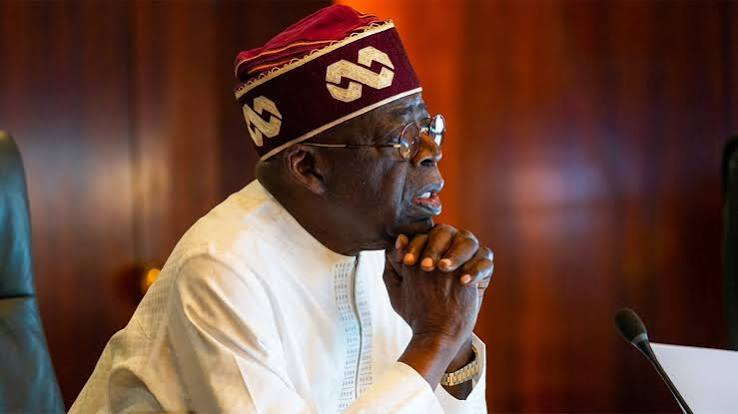
The upgrade still leaves Nigeria far from President Bola Tinubu’s $1 trillion economy target. With nominal output at about $377 billion, the economy would need to grow by nearly 22 per cent a year for five years to reach that level, assuming a stable Naira. Further depreciation would raise the required pace.
IMF: growth not reaching households
The Fund said Nigeria has made substantial progress but that the gains are unevenly shared. At the IMF/World Bank Annual Meetings in Bangkok, Deniz Igan, a division chief in the Research Department, said policymakers must balance immediate household needs, including food and energy security, against medium-term fiscal stability.
Igan cited Nigeria as an example of an energy exporter where growth held up while poverty stayed high. “We are very mindful that the population is suffering,” she said, adding that El Niño risks could add to the pressure.
The IMF recommended temporary, targeted income support and cash transfers for the most vulnerable households. Igan said any such measures must fit a sustainable medium-term fiscal framework, backed by better spending quality and stronger revenue collection.
Oyedele: reforms moved ‘too fast’
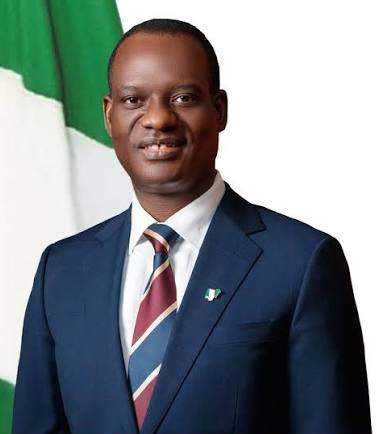
At two events in Bangkok, Oyedele presented Nigeria’s reforms as a model for other African countries while admitting the cost. On the Africa’s Golden Future panel, he said fuel subsidy removal and foreign exchange liberalisation were sequenced too quickly and contributed to a price crisis in the downstream petroleum sector.
Fuel prices more than doubled within hours of Tinubu announcing the end of the petrol subsidy in his inaugural speech. The Central Bank of Nigeria liberalised the FX market about two weeks later, and the Naira then lost more than 40 per cent of its value at the official market. By July 2023, petrol averaged about N600 a litre, and price-capping measures followed.
Oyedele argued that partial reforms can leave a country paying the costs without the benefits. He urged other African governments to communicate policy clearly even when citizens do not initially “believe you”. He also said the government had supported more than 10 million vulnerable Nigerians.
Taxes and debt
Speaking as chair of the Intergovernmental Group of Twenty-Four (G-24), Oyedele described macroeconomic stability as the foundation for structural growth. He rejected the idea that stability and inclusive growth are mutually exclusive, though economists have pointed to a widening gap between them.
Asked about debt versus taxes, he said governments should first look for savings and new sources of revenue. “This is the wrong time to impose new taxes or increase the burden of tax, particularly on the vulnerable population and productive sectors of the economy,” he said.
Borrowing remains necessary for growth, he said, but should go towards job creation, infrastructure and inclusive development, so that debt delivers value for future generations. G-24 Director Iyabo Masha agreed that countries need macroeconomic stability before pursuing structural growth.
Discover more from CLARITYNEWSNG
Subscribe to get the latest posts sent to your email.