By: Tunji Okunlola
The Lagos State Electricity Regulatory Commission (LASERC) has announced plans to roll out dedicated 24/7 electricity franchise zones across the state before the end of October 2026, signalling a significant shift in how the state manages and delivers power.
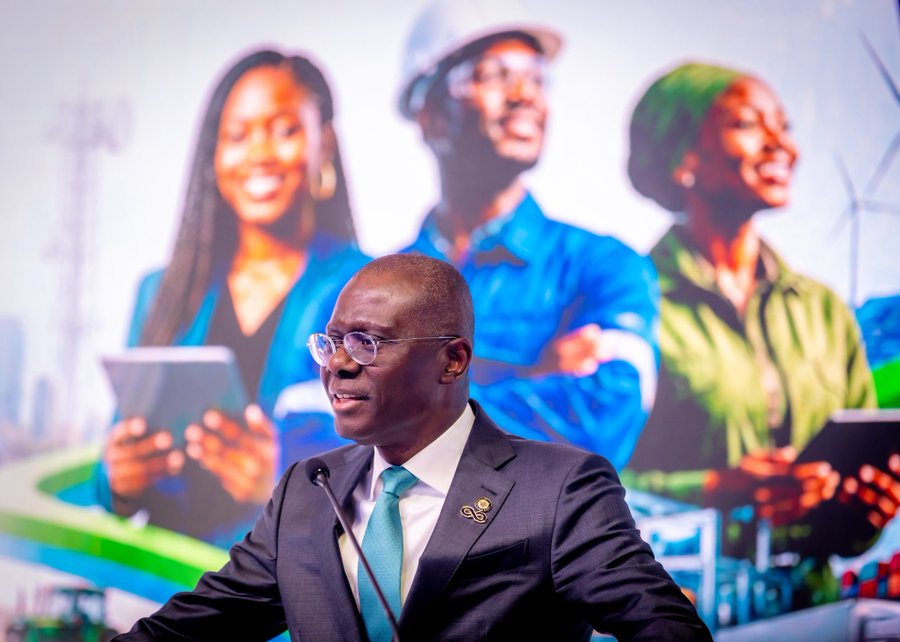
The announcement came from LASERC’s Chief Executive Officer, Temitope George, at the commission’s first stakeholder engagement event, held at The Cordis Hotel.
The franchise zones form part of LASERC’s Short-Term Regulatory Agenda, a roadmap of reform milestones designed to reshape Lagos’ electricity market through 2030. Two or three pilot zones will be established initially, each intended to deliver uninterrupted power supply while testing the operational and commercial case for wider reform. Exact locations have not yet been confirmed.
Running alongside the franchise rollout are several supporting initiatives. A Grid Interface Guidelines framework is due by July 2026 to govern how Lagos electricity licensees interact with federal power institutions. A full metering programme covering both grid infrastructure and individual customers is also set to begin in July, aimed at eliminating estimated billing and improving transparency.
LASERC is also developing the Electric Eye of Lagos (EEL) Programme, an AI-powered metering infrastructure designed to provide real-time visibility into electricity trading and delivery. The framework is expected to be finalised by August 2026, with a pilot deployment running concurrently with the franchise zones in October.
Consumer complaints centres will open in phases, beginning in Amuwo Odofin in August, followed by Ikorodu and Epe in September. Draft Market Rules are scheduled for October, with final rules expected before year’s end.
By 2030, LASERC’s targets include reducing market losses to below 10% and achieving electricity availability of over 97.5% across Lagos.
How Lagos got here
The regulatory groundwork was laid in 2024 when Governor Babajide Sanwo-Olu signed the Lagos Electricity Bill into law, replacing earlier 2018 legislation and establishing LASERC to oversee generation, distribution, and tariffs independently of federal structures. The commission’s board was formally inaugurated in March 2026.
The broader context is the Federal Government’s 2023 decision to allow Nigerian states to generate and distribute electricity on their own terms through a policy shift that gave Lagos the legal footing to pursue energy independence.
In April 2026, the state moved further, signing Power Purchase Agreements with three independent producers; Mainland Power Limited, Fenchurch Power Limited (in partnership with Aggregate Utilities Limited), and Viathan Engineering Limited. The deals are expected to grow generation capacity from under 60MW to between 200MW and 400MW over the coming years. Crucially, the outdated take-or-pay payment model has been dropped in favour of metered delivery, with dual supply systems planned for critical infrastructure.
Together, the regulatory reforms and new commercial agreements are intended to place Lagos on a credible path toward a more reliable, accountable, and self-sustaining electricity market.
Tags: #laserc #nerc
Discover more from CLARITYNEWSNG
Subscribe to get the latest posts sent to your email.