Photo credit: Dawn commission
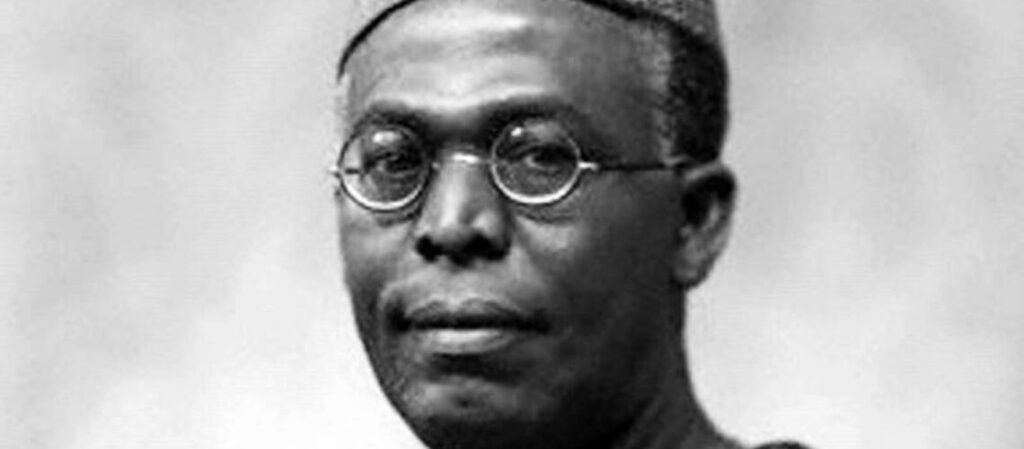
Today in History: The Life and Legacy of Chief Obafemi Awolowo (1909 – 1987)
On this day, 9 May 1987, Nigeria lost one of its most towering figures. Chief Jeremiah Obafemi Oyeniyi Awolowo. A nationalist, lawyer, journalist, and statesman died peacefully at his home in Ikenne, Ogun State, at the age of 78. Thirty-nine years on, his legacy endures in Nigeria’s political landscape, its institutions, and the hearts of millions who continue to regard him as one of the greatest leaders the country never had as president.
A Son of Ikenne
Born on 6 March 1909 in Ikenne, Ogun State, Awolowo grew up in modest circumstances but possessed an extraordinary intellect and an unrelenting drive. He taught himself law, eventually qualifying as a barrister, and built a reputation as a sharp legal mind and a gifted communicator. His early journalism laid the groundwork for the media empire he would later establish through the African Newspapers of Nigeria Ltd, giving voice to nationalist sentiment at a time when such expression required courage.
Architect of Federalism
Awolowo was a fierce advocate for federalism: the idea that Nigeria’s rich diversity of peoples, languages, and cultures could only be fairly governed through a decentralised structure that gave regions genuine autonomy. He founded the Egbe Omo Oduduwa, a cultural organisation that championed Yoruba unity, and went on to establish the Action Group, one of Nigeria’s most formidable early political parties. He later led the Unity Party of Nigeria, contesting the presidency on multiple occasions. Upon independence in 1960, he served as Leader of the opposition; a role he performed with characteristic vigour and principle.
A Legacy Written in Institutions
Few Nigerian leaders left a more tangible institutional mark. As Premier of the Western Region, Awolowo introduced free primary education and free health care among many progressive policies that transformed millions of lives and remain benchmarks of his tenure. The university that bears his name, Obafemi Awolowo University in Ile-Ife, stands as a monument to his belief in education as the foundation of national development. His portrait has graced the Nigerian ₦100 note since 1999, a quiet, daily reminder of his stature.
“The greatest mistake any man can make is to be afraid of making one.”
— Chief Obafemi Awolowo
Chief Awolowo died as he had lived with composure and dignity, at home among his people in Ikenne. He left behind a country still grappling with many of the challenges he had spent his life trying to solve. Yet the vision he articulated was of a just, federal, educated, and self-determining Nigeria remains a compass for those who believe in what the nation can yet become.
Discover more from CLARITYNEWSNG
Subscribe to get the latest posts sent to your email.