By: Ganiyu Olayinka
The Lagos State Government plans to double the share of its food needs met locally, from roughly 20 percent to 40 percent, and to produce 50 million fish fingerlings every year. The aim is to lift local production and cut dependence on imports.
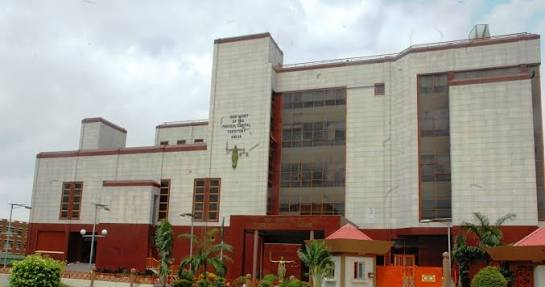
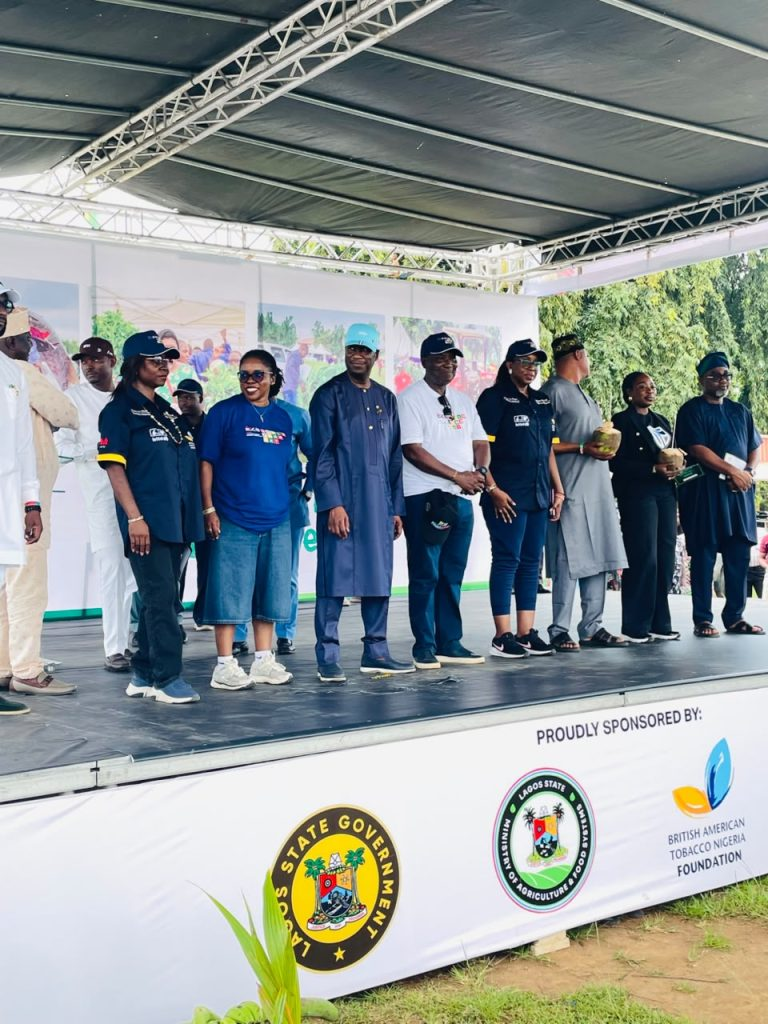
Governor Babajide Sanwo-Olu announced the targets at the 2026 Eko World Food Day celebration, held under the theme “Innovate Today, Nourish Tomorrow,” at the Police College in Ikeja. Deputy Governor Dr Obafemi Hamzat represented him. The governor also said the state intends to fatten at least 100,000 cattle a year to boost meat supply, and he encouraged residents to take up urban farming by growing vegetables and other crops on spare space around their homes.
The roadmap
Hamzat said the state’s five-year agricultural and food systems roadmap is meant to raise local output, strengthen processing and distribution, and keep nutritious food within reach of ordinary people. It rests on four pillars: infrastructure and markets, production and processing, people and skills, and innovation and farmer support.
To cut out unnecessary middlemen, reduce waste, and bring down prices, the state is building a Central Food Security System and Logistics Hub, supported by mid-level produce hubs and last-mile delivery networks. Phase One of the central hub in Ketu is well advanced. Facilities in Mushin and Agege are already commissioned, while work continues at Abijo, Okwebi in Ikeja and Bombata on Lagos Island.
Processing and production
The Lagos Rice Mill in Imota can turn out about 2.5 million 50-kilogram bags a year. Hamzat said it has created around 2,000 jobs, supported roughly 500 farmers and backed more than 1,500 hectares of paddy land. Separately, the Eko Agro Mechanisation Programme has helped put over 3,000 hectares under cultivation, with about 5,000 farmers gaining access to machinery.
Livestock and fish
In livestock, the state has a cattle feedlot at Igbodu in Epe and a pilot dairy farm at Yafin in Badagry, where fresh milk production has started. The Lagos Aquaculture Centre of Excellence in Epe, being built as a public-private partnership, will include a hatchery, feed mill and processing plant. Once running, it is expected to yield 50 million fingerlings, 2,000 tonnes of fish and 24,000 tonnes of aquaculture feed annually.
Skills
The Lagos Agripreneurship Programme has trained over 4,400 youths and women in poultry, aquaculture, vegetable farming and piggery, and more than 2,000 of them have received equipment and inputs to start or grow their businesses.
Earlier, the Special Adviser to the Governor on Agriculture and Food Systems, Dr Oluwarotimi Fashola, also urged residents to farm in available spaces at home. The event included a march-past of farmers and other players across the agricultural value chain, who displayed their products.
World Food Day falls on October 16 each year and marks the founding of the UN Food and Agriculture Organization in 1945, as well as global efforts against hunger and malnutrition.
Discover more from CLARITYNEWSNG
Subscribe to get the latest posts sent to your email.