By: Tunji Okunlola
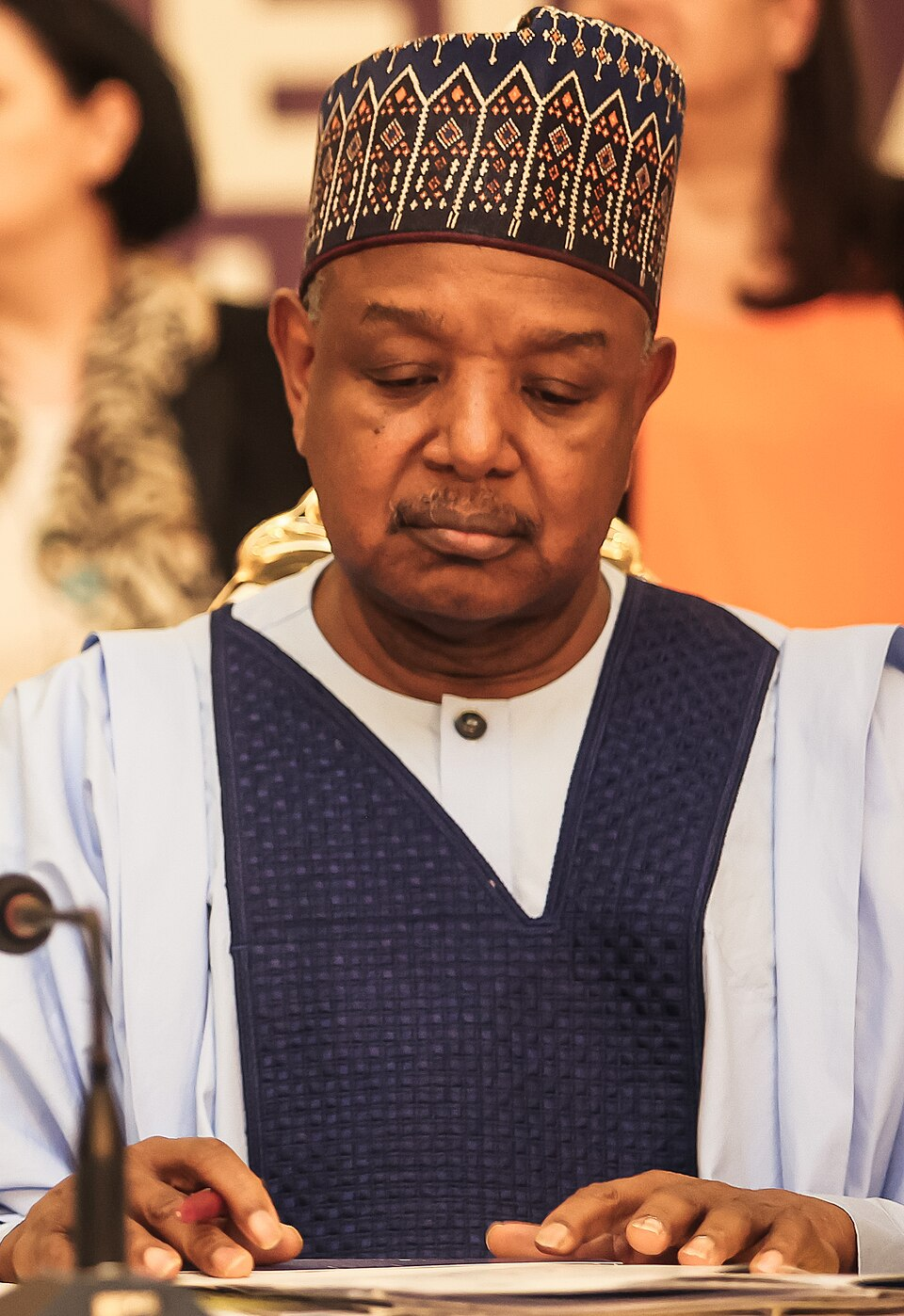
Photo: Hamza Abdulsalam Ozavogu/European Union,2023 – CC BY 4.0
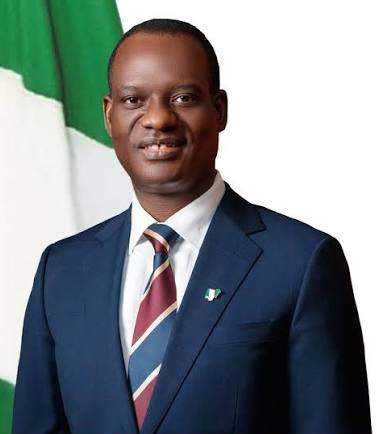
Minister of Budget and Economic Planning, Senator Abubakar Bagudu, has urged Nigerians, lawmakers and the media to rethink the country’s approach to budgeting, arguing that the national budget remains too small to deliver the scale of development the country aspires to.
His remarks came as the Civil Society Legislative Advocacy Centre (CISLAC), citing an Independent Corrupt Practices and Other Related Offences Commission (ICPC) analysis, flagged 4,508 projects worth about N434.5 billion as inserted or padded into the 2022 budget. CISLAC made the disclosure at the 2026 Senate Press Corps Workshop in Abuja, where it called for tighter checks on budget proposals and legislative amendments before they are incorporated into the Appropriation Act. The paper was presented by Ebu Emmanuel on behalf of CISLAC’s Executive Director, Auwal Rafsanjani.
In a related intervention, the BudgIT Foundation urged the National Assembly to move away from budget insertion in favour of evidence-based scrutiny that ties public spending to development plans, past performance and citizens’ needs. The call was made by BudgIT Country Director, Vahyala Kwaga, representing the organisation’s Director, Olusegun Onigbinde, at the same capacity-building workshop, themed “Leveraging Legislative Oversight and Media Collaboration to Safeguard the National Budget from Unlawful Insertions.”
Addressing the workshop, Bagudu argued that Nigeria “has the smallest national budget among the world’s 10 most populous countries,” cautioning that the country should not expect development outcomes comparable to nations with far greater fiscal capacity. He said the conversation around the national budget should move beyond allegations of unlawful insertions to a more fundamental question: what size Nigeria’s national budget should actually be, and what level of resources the country needs to meet its development goals.
According to the minister, Nigeria faces a choice between budgeting strictly within its current means, or building the confidence, policies and public support needed to mobilise greater resources for economic transformation. He said the latter path would require Nigerians to understand the country’s fiscal constraints and support the difficult decisions needed to expand government revenue, investment and borrowing capacity.
Bagudu linked the debate directly to the government’s ambition of building a $1 trillion economy, saying that goal could not be separated from the size and structure of the national budget. “The national budget should understandably be a product of that imagination,” he said, referring to the government’s broader development goals. He argued that countries which had successfully transformed their economies made deliberate choices to move beyond their existing limitations, and pointed specifically to borrowing capacity as an area shaped by public support: “If people do not support borrowing, the National Assembly will not allow borrowing.” He called on the media to play a more active role in explaining Nigeria’s fiscal position to the public and examining how other countries have expanded their economies.
On the padding allegations, CISLAC said the ICPC analysis also identified 6,690 projects valued at about N6.43 billion as duplicated across 66 government agencies. The group cautioned, however, that the ICPC’s classifications should not be treated as proof of criminal conduct by individuals, saying the findings instead point to the need for stronger checks to keep questionable projects and spending out of the national budget.
CISLAC stressed that the issue is not the National Assembly’s constitutional power to consider and amend the budget, but whether major changes to it are properly justified, transparent and traceable from the Executive’s original proposal through to the final Appropriation Act. The group called for every major budget item to carry a clear public purpose, credible costing, defined project location, identified beneficiaries, a responsible ministry or agency, and measurable expected results and for lawmakers to verify that proposed projects actually fall within the mandate of the implementing ministry, department or agency.
Speaking on the theme “From Insertion to Interrogation: The National Assembly’s Role in Evaluating the Executive’s Budget Proposal,” Kwaga said the legislature’s role should extend beyond negotiating figures or adding projects to the Appropriation Bill. He said lawmakers should test whether proposed spending is backed by credible plans and evidence of what previous allocations actually achieved, arguing that every budget line should be traceable to the National Development Plan (NDP), the Medium-Term Expenditure Framework (MTEF), the Fiscal Strategy Paper (FSP), relevant sector strategies, and past budget performance. He urged lawmakers to interrogate previous spending directly in terms of what was appropriated, what was released, what was delivered, and whether the outcomes justified further funding.
BudgIT proposed six tests for evaluating any budget item: alignment with national and sector plans, past performance, potential duplication, costing accuracy, audit findings, and evidence of citizens’ actual needs. The organisation also called for stronger year-round legislative oversight, with committees tracking project implementation, reviewing quarterly reports, and using audit and site-visit findings to inform future budget cycles. Kwaga further advocated for the use of technology to help lawmakers and their aides analyse thousands of budget lines, flag duplicate or vague projects, compare costs, and cross-reference proposed allocations against previous appropriations, releases and payments.
Tags: #BudgIT #CISLAC #Senator Atiku Bagudu
Discover more from CLARITYNEWSNG
Subscribe to get the latest posts sent to your email.