By: Tunji Okunlola
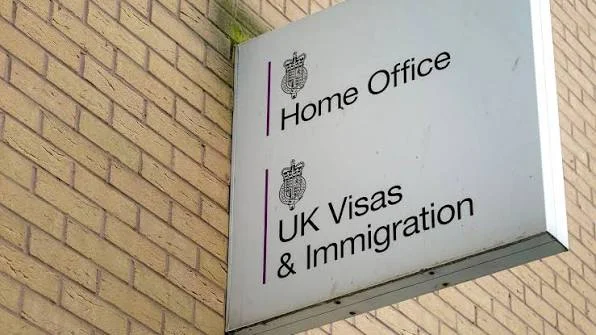
The UK Department for Education (DfE) has dropped Nigeria, Ghana and India from the list of countries whose teachers can seek Qualified Teacher Status (QTS) through the “Apply for QTS in England” service. The change came into force on September 9, 2026, per updated DfE guidance.
QTS is the standard professional teaching credential in England, recognised across the country’s schools. Teachers trained in the three countries can no longer use this particular route to obtain it.
The move follows the publication of application data for overseas-trained teachers covering the 2024/2025 academic year. Figures released on August 27 showed Nigeria submitted 1,076 applications, of which 364 were approved and 599 turned down. Ghana submitted 1,067 applications, with 196 approved and 749 rejected.
The DfE said it tightened eligibility so that only countries with a national regulator able to verify teachers’ professional standing and able to supply references meeting its standards remain part of the scheme. India was excluded on the grounds that it lacks such a national regulatory body.
For Nigeria and Ghana, the department pointed to a different problem: over 70% of work-history references submitted came from personal email accounts (Gmail, Hotmail and similar) rather than official school domains, forcing assessors to spend extra time verifying applicants’ claims.
The DfE said the tightened rules are meant to guarantee that submitted information is genuine and that anyone granted QTS has the skills and experience needed to teach in England’s schools. Teachers from the affected countries have been told they can pursue other routes into the profession.
Standard eligibility criteria
Applicants for QTS generally need:
A valid passport
An undergraduate degree equivalent to a UK bachelor’s degree
Professional teaching recognition in their training country
Completion of any mandatory induction period required for full registration there
Qualification to teach pupils aged 5–16
At least nine months of post-qualification teaching experience
Employment references verified through official school email domains
Some countries carry additional requirements, such as separate qualification to teach 11–16-year-olds or specialisation in subjects including maths, sciences, or a range of modern and classical languages.
The DfE also noted that because English schools and not the department itself employ teachers directly, individual schools retain discretion to pursue other recruitment and qualification pathways.
Who remains eligible
With Nigeria and Ghana removed, South Africa is now the only African nation on the eligible list, and only under specified conditions. Other eligible countries and territories include Australia, Canada, the European Economic Area, Guernsey, Hong Kong, Jersey, New Zealand, Switzerland, Ukraine and the United States. Teachers from Jamaica, Singapore and South Africa may also apply, subject to additional age-range and subject-specific conditions.
Discover more from CLARITYNEWSNG
Subscribe to get the latest posts sent to your email.