By: Ganiyu Olayinka
Bank of England Governor Andrew Bailey joined a group of European finance officials who walked out of an International Monetary Fund (IMF) meeting in protest against Russia’s participation.
The walkout took place on Saturday, 17 October 2026, during the IMF and World Bank annual meetings in Bangkok, Thailand, as Russian Finance Minister Anton Siluanov addressed the International Monetary and Financial Committee (IMFC), the IMF’s steering committee, in Russian.
Bailey joined representatives from Britain, France, Germany and several Scandinavian and Baltic countries who left the session in protest against Russia’s war against Ukraine.
Joachim Nagel, president of Germany’s central bank, the Bundesbank, said nearly half of the delegates had participated in the walkout.
“This is a very strong signal about solidarity and values,” Nagel said, adding that ending Russia’s war against Ukraine would be in the best interests of the global economy.
“The Ukraine war is existential for us in Europe,” a European diplomat told Reuters. “We cannot normalise relations with Russia.”
Divisions Over Russia’s Return to International Forums
The protest highlighted continuing disagreements among major economies over Russia’s participation in international financial institutions and diplomatic forums following its full-scale invasion of Ukraine in February 2022.
Saudi Arabia’s Finance Minister, Mohammed al-Jadaan, who chairs the IMFC, acknowledged the walkout but played down its significance, pointing to the committee’s agreement on a joint statement.
“We came here for a reason, and we achieved it,” al-Jadaan told Reuters, emphasising that all members had agreed to the chair’s statement.
Germany had previously warned against efforts to restore Russia’s position on the international stage. Siluanov’s participation in the G20 meeting of finance ministers and central bank governors in the United States earlier this year had also drawn criticism from European officials.
The United States, however, has supported Russia’s participation in international discussions.
US Treasury Undersecretary Erin Browne told Reuters that Washington believed dialogue was necessary to resolve international conflicts.
She argued that countries could not achieve conflict resolution if they refused to engage with one another.
The differing positions reflect broader divisions over whether engagement with Moscow can help resolve the war in Ukraine or risks normalising Russia’s international relations while the conflict continues.
Global Economy Faces Mounting Risks
The walkout occurred as finance officials gathered in Bangkok to assess the global economic outlook amid geopolitical conflicts, trade tensions, high public debt and continuing uncertainty over energy supplies.
Despite these pressures, al-Jadaan said the global economy had demonstrated considerable resilience in absorbing recent shocks.
However, he warned that governments should not become complacent, citing high public debt levels, elevated bond market rates and the depletion of financial buffers that countries could otherwise use to respond to future crises.
In a statement following the meeting, he said the global economy had weathered recent shocks better than expected but cautioned that its resilience could not be taken for granted.
Al-Jadaan also warned that escalating conflicts and trade tensions could disrupt critical shipping routes, intensify commodity price pressures, including those affecting refined energy products, and worsen global energy and food security.
Strait of Hormuz Disruption Adds to Energy Concerns
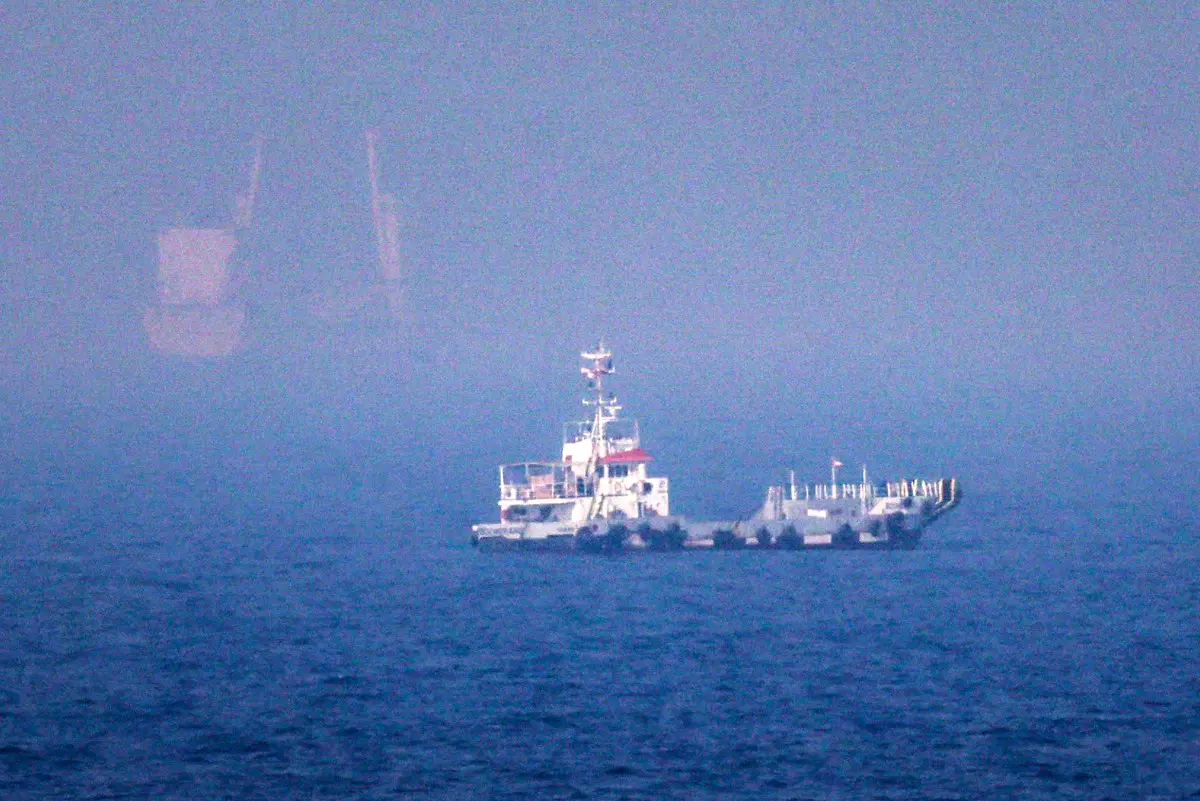
The economic discussions also took place against the backdrop of the conflict involving the United States, Israel and Iran, which has disrupted energy supplies and shipping through the Strait of Hormuz.
The strategic waterway is a major route for global oil and gas shipments. Its disruption following US-Israeli military operations against Iran and Iran’s closure of the strait has heightened concerns about energy prices, inflation and supply-chain stability.
The consequences extend beyond the Middle East, particularly for countries dependent on imported fuel and food, which face increased costs when energy prices and international transport expenses rise.
Al-Jadaan warned that further escalation of geopolitical conflicts could deepen these pressures and undermine the global economy’s ability to withstand additional shocks.
The Bangkok meetings therefore highlighted two interconnected challenges confronting the international community: persistent geopolitical divisions over Russia’s war against Ukraine and the economic consequences of wider conflicts affecting trade, energy security and global financial stability.
While delegates reached agreement on the committee’s statement, the walkout demonstrated that consensus on economic policy does not necessarily translate into agreement on the political conflicts shaping the global outlook.
Source: Reuters
Discover more from CLARITYNEWSNG
Subscribe to get the latest posts sent to your email.