By: Tunji Okunlola
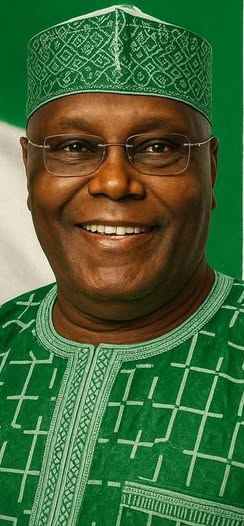
The All Progressives Congress (APC) Presidential Campaign Council has asked former Vice President Atiku Abubakar to set out the legal, fiscal and operational framework for his proposed subsidy on locally refined petrol.
In a statement issued on Sunday by its spokesman, Dele Alake, the council said Atiku’s proposed “production subsidy” to bring down pump prices needed clarification, especially on whether it fits within the Petroleum Industry Act (PIA) 2021.
Atiku, the presidential candidate of the African Democratic Congress (ADC), has said he will bring back a targeted petrol subsidy if elected in 2027. He said in August that his position had not changed, arguing that the policy would shield Nigerians from rising fuel, transport and food costs.
Alake asked whether refiners benefiting from the intervention would be required to pass the savings on to consumers through lower petrol prices. He said the question mattered because the PIA provides for market-determined wholesale and retail prices of petroleum products.
The Nigerian Midstream and Downstream Petroleum Regulatory Authority (NMDPRA) said on Saturday that petrol prices are set by market forces and that, under the PIA, it does not fix prices except where statutory conditions for intervention apply.
“Any proposed intervention must therefore clearly identify the legal mechanism through which the subsidy would translate into lower pump prices,” Alake said.
He argued that if refiners were not obliged to pass on the benefit, government support could simply cut their production costs without making petrol cheaper at filling stations.
Cost and funding
The council also asked Atiku to state how much the proposal would cost and how it would be financed. Alake said Atiku had earlier suggested supplying crude oil to domestic refineries at preferential prices, an arrangement that would affect government revenue depending on the size of the discount.
The council said the financial implications could be substantial, depending on the volume of crude or petrol covered, the size of the subsidy and how long the programme ran. It asked Atiku to disclose the proposed subsidy rate, the annual spending cap, the volume to be covered, the funding source and the mechanism for ensuring that consumers benefit.
It also sought details of safeguards against diversion, smuggling and fraudulent claims, and asked whether the PIA would need to be amended to implement the plan.
“An appropriation by the National Assembly may authorise expenditure, but it would not by itself resolve every regulatory question arising under the Petroleum Industry Act,” Alake said.
Change of position alleged
The council accused Atiku of changing his stance on downstream deregulation. It recalled that during his 2022 campaign he called the petrol subsidy regime fraudulent and pledged to end it completely but has now said he would restore a targeted subsidy. It asked him to explain how the new arrangement would differ from the old one and how it would address long-standing concerns about the administration of fuel subsidies.
The council added that downstream reforms predate the current administration, noting that diesel and aviation fuel were moved towards market pricing under President Olusegun Obasanjo, when Atiku was vice president.
Government’s alternative
Responding to the pressure of rising energy and transport costs, the council pointed to government investment in compressed natural gas (CNG) and electric mobility as alternatives to petrol-powered transport.
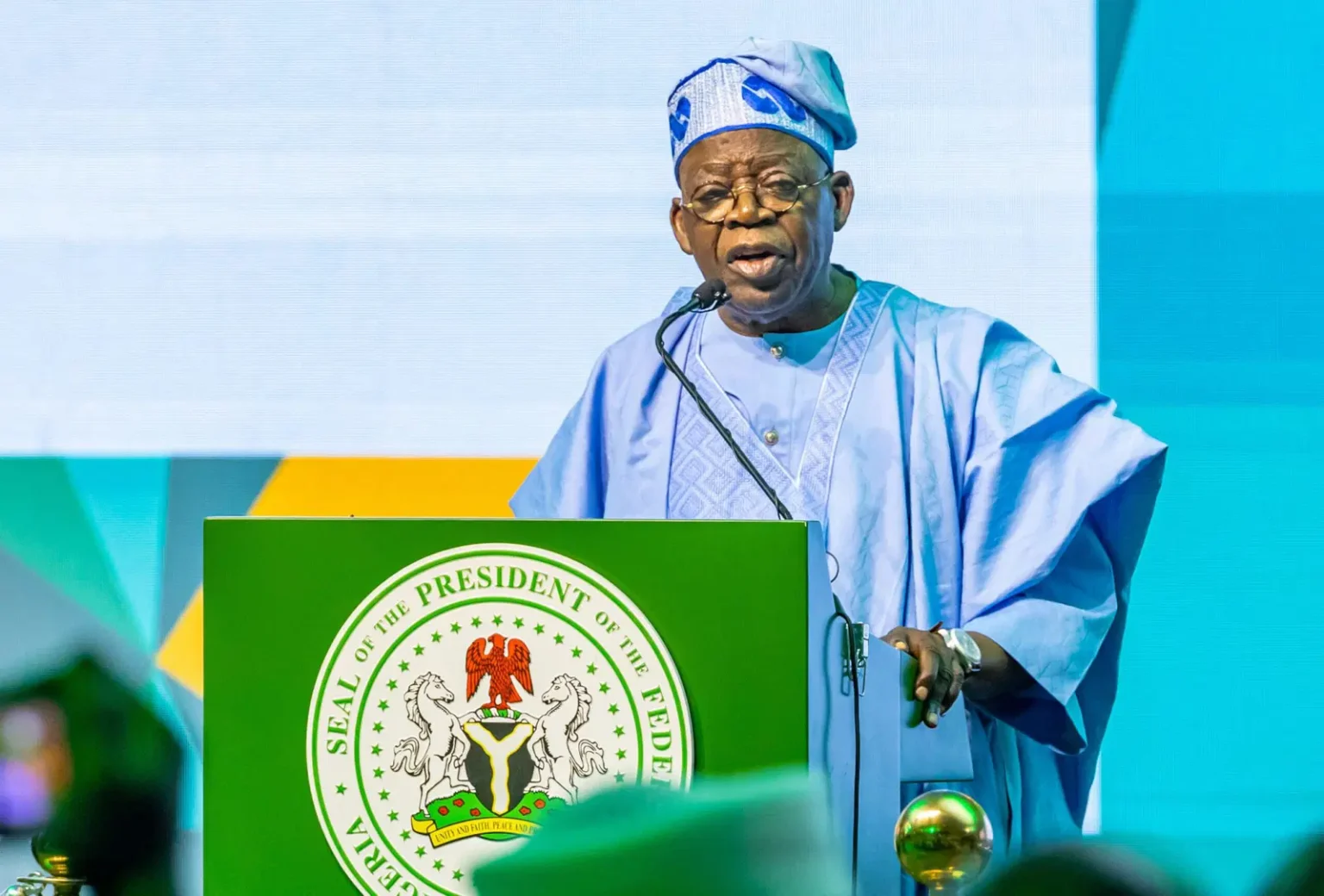
President Bola Tinubu said on Saturday that more than 120,000 vehicles had been converted to CNG in the past three years, and that over 400 certified conversion centres and more than 90 CNG refuelling stations were now operating nationwide. He also said the Federal Government and the 36 state governors had agreed to work towards measurable cuts in transport costs from October 1 under the National Affordable CNG Transit Programme.
According to Tinubu, CNG and electric transport services in some states already charge lower fares. He cited fares of N50 to N100 on some routes in Borno State, against commercial fares of N300 to N600, and about N550 on the Suleja-Abuja route in Niger State, compared with roughly N800 charged by commercial operators. He said the strategy is meant to reduce Nigeria’s exposure to global energy-price shocks by expanding the use of domestic gas and alternative-energy transport.
The council said the government would keep pursuing such alternatives rather than return to the old subsidy model. It also argued that growing domestic refining capacity would strengthen the deregulated downstream market, citing the Dangote Petroleum Refinery’s stated capacity of 650,000 barrels per day.
While acknowledging the strain higher petrol prices have put on households and businesses, the council insisted that any intervention should be legally grounded, transparent and properly costed. It said recent rises in global crude prices had added to pressure on domestic petrol and diesel prices, and that a fall in international prices could ease pump prices. It added that the NMDPRA was working with other agencies on alleged price gouging and the smuggling of petroleum products across Nigeria’s borders.
Alake urged Atiku to publish a detailed policy document explaining the legal and fiscal basis of the proposed subsidy and how it would benefit consumers.
“Every proposed intervention in the downstream sector must be lawful, transparent, properly costed and capable of delivering measurable benefits to consumers,” he said.
The council said questions over the cost, legal basis and ability of the proposed subsidy to guarantee cheaper petrol would remain until those details are made public.
Discover more from CLARITYNEWSNG
Subscribe to get the latest posts sent to your email.