
By: Ganiyu Olayinka
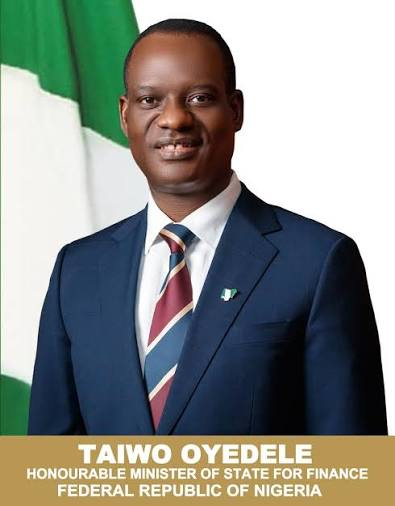
Nigeria’s economy expanded by 4.43 per cent year-on-year in the second quarter of 2026, according to the Federal Ministry of Finance, marking an acceleration from 4.23 per cent in the same period last year and from 3.89 per cent recorded in the first quarter of this year.
The ministry said the strong second-quarter performance lifted overall growth for the first half of 2026 to 4.16 per cent, up from 3.68 per cent over the same period in 2025.
Broad-based growth
Officials described the expansion as increasingly diversified, with 27 economic subsectors posting real growth above 3.0 per cent in Q2 2026, compared with 23 subsectors a year earlier.
The productive sectors were singled out as key drivers
Manufacturing grew 3.24 per cent, more than double the 1.60 per cent recorded in Q2 2025
Agriculture expanded 4.39 per cent, up from 2.82 per cent
Services, the largest contributor to growth, rose 4.60 per cent, up from 3.94 per cent
Naira appreciation boosts dollar value
The ministry also pointed to currency gains, saying the naira appreciated by more than 12 per cent between the first half of 2025 and the first half of 2026. That appreciation, it said, translated into an estimated 17 per cent expansion of the economy in U.S. dollar terms over the period.
Long-term targets
The government reiterated its ambition to reach a $1 trillion economy by 2030 and said it aims to become Africa’s largest economy by 2028. It cited an International Monetary Fund ranking placing Nigeria among the top 10 contributors to global real GDP growth in 2026, projected to account for roughly 1.5 per cent of world growth this year.
“These results underscore the importance of sustaining our reforms and ensuring policy consistency as their benefits begin to reach households across the country,” the ministry said in a statement, adding that it remains focused on “translating these macroeconomic gains into shared prosperity for every Nigerian family.”