By: Ganiyu Olayinka
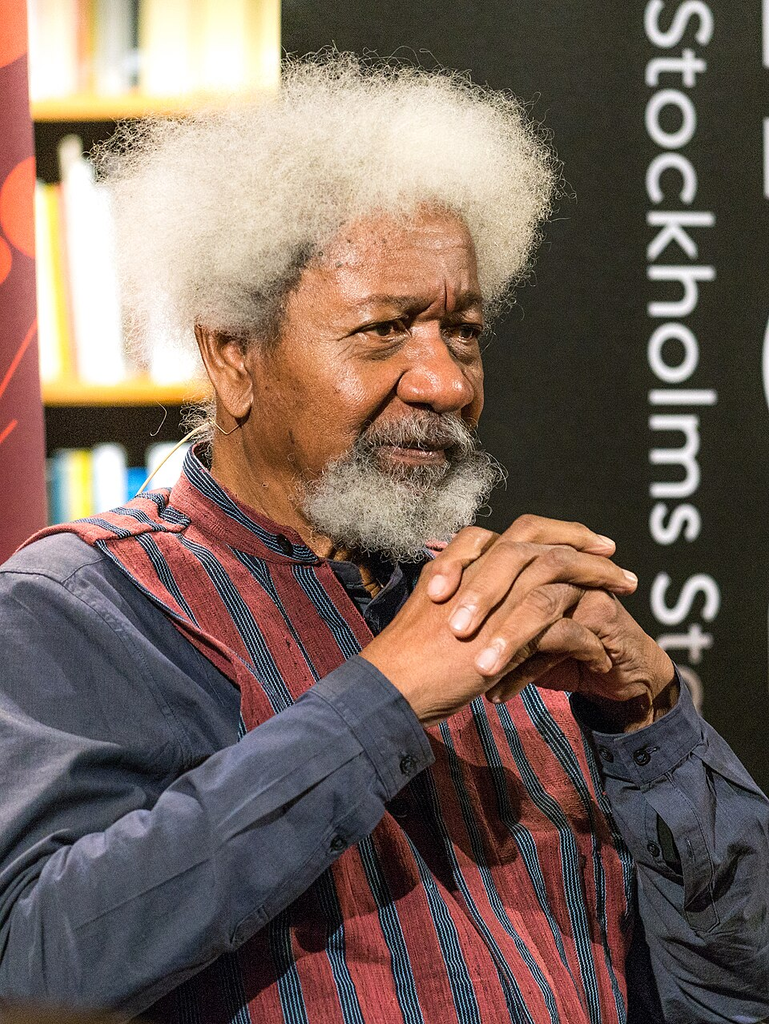
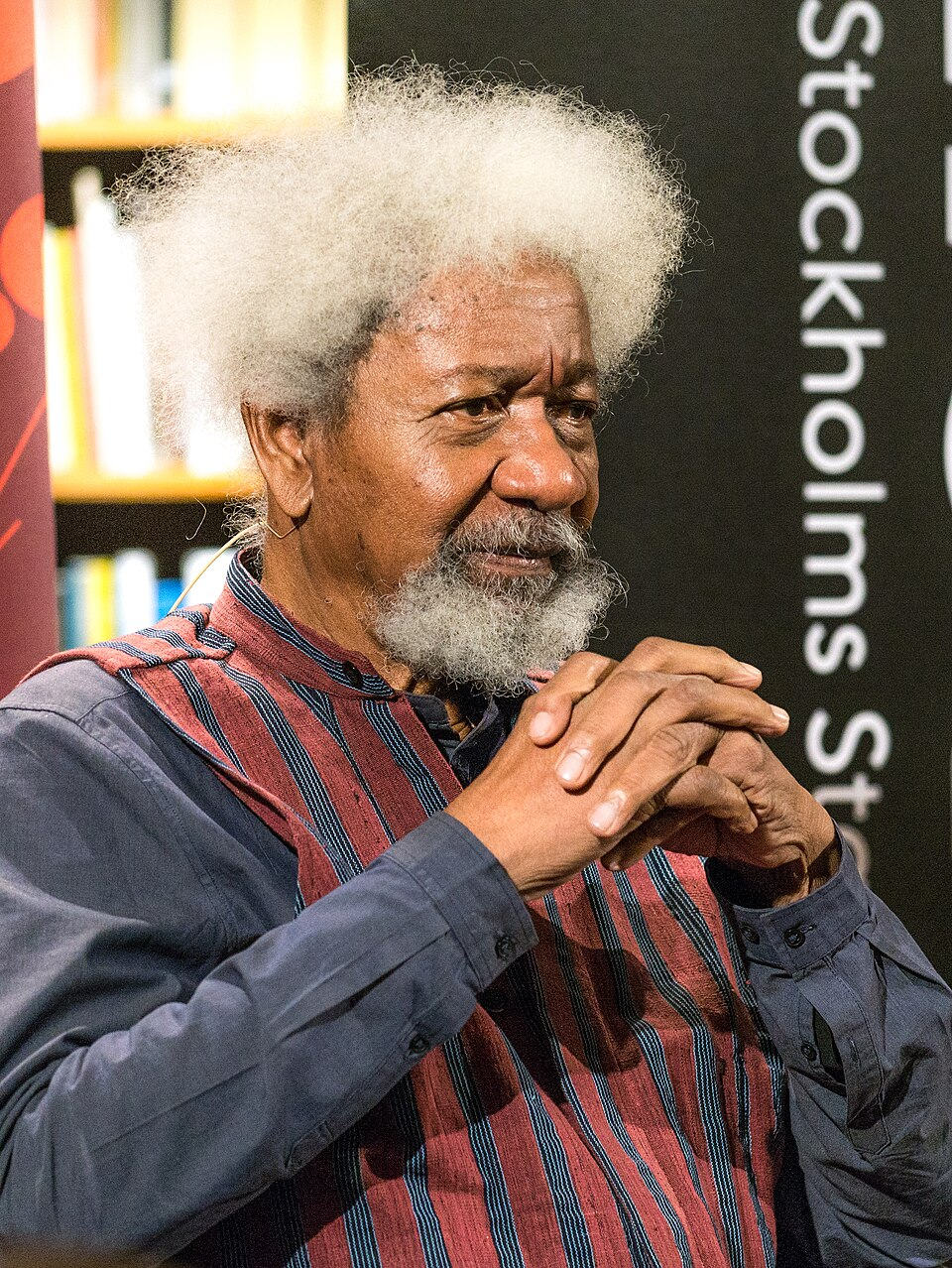
Nobel laureate Wole Soyinka has criticised the widespread failure to obey court orders in Nigeria, saying some citizens die before they see the benefit of judgments in their favour.
Soyinka spoke on Thursday at the Nigerian Ombudsman Annual Conference 2026 in Abuja. He called for stronger institutional accountability and better enforcement of court decisions, and urged the Public Complaints Commission (PCC) to help close the gap between what courts decide and justice actually delivered.
He questioned why government agencies and other institutions fail to implement judgments, leaving litigants waiting for years despite winning their cases. He asked why the system could not guarantee that a judgment would be carried out as between the plaintiff, the court and the person affected by it.
The playwright cited cases in which courts ordered the return of passports to litigants, who then waited years without the orders being enforced. He also raised concerns about land disputes in which individuals allegedly turned to violence and destroyed property while court proceedings were still ongoing.
‘Leaders must set the example’
Emir of Lafia and Chairman of the Nasarawa State Council of Chiefs, Justice Sidi Bage Muhammad, a former Supreme Court justice, said compliance with court orders has to start with political leaders. Citizens will struggle to respect judicial decisions, he argued, when those in authority ignore them. “You have to lead by example,” he said. He asked the commission to find ways of addressing the frustration of people whose judgments are not enforced.
Raising awareness of the Ombudsman
Former Commonwealth Secretary-General Emeka Anyaoku called for greater public awareness of the Ombudsman’s services, describing the commission as a cheaper and less cumbersome route to redress. He gave unpaid pensions and gratuities and poor medical care in public and private hospitals as examples of complaints it could handle. He said he was confident the commission could improve under its current leadership.
Institutional reform
The Director-General of the Institute for Peace and Conflict Resolution, Joseph Ochogwu, was represented by the institute’s Director of Conflict Prevention and Resolution, Gerard Okafor. He said strong institutions are essential for upholding the rule of law, protecting citizens’ rights and preventing violent conflict. He named institutional continuity, compliance monitoring and coordination among government agencies as key requirements, and urged the commission to set clear administrative standards, track recurring complaints and strengthen its monitoring, so that its recommendations lead to corrective action. Resolving grievances early, he said, could ease tensions and support lasting peace.
Secretary to the Government of the Federation, George Akume, was represented by Beke Augusta, Permanent Secretary for Political and Economic Affairs. He said citizens’ complaints should be treated as a chance to identify weaknesses in public institutions and improve administration. He called for stronger collaboration between the commission and ministries, departments and agencies, with effective ways of monitoring whether its recommendations are implemented, and urged the use of digital technology to make submitting, tracking and resolving complaints easier.
Discover more from CLARITYNEWSNG
Subscribe to get the latest posts sent to your email.