By: Ganiyu Olayinka
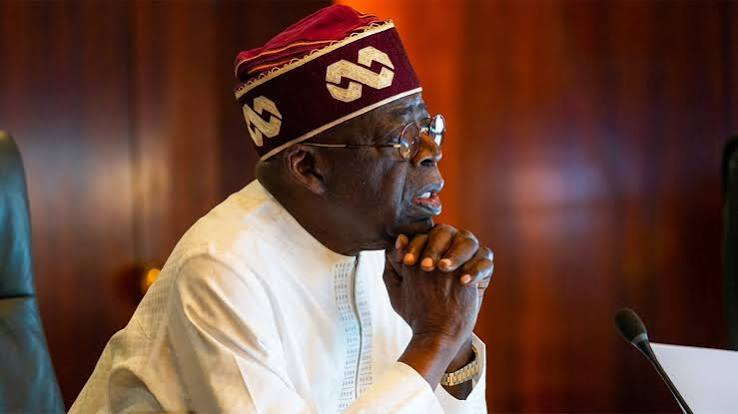
President Bola Tinubu has asked the Senate to consider a set of new bills, including proposals to overhaul the Nigerian Safety Investigation Bureau (NSIB), replace the laws governing the National Drug Law Enforcement Agency (NDLEA), and create a National School of Government.
Senate President Godswill Akpabio read the President’s letters at Tuesday’s plenary, and the bills were then referred to the Committee on Rules and Business for further legislative action.
Safety investigation bureau
The Nigerian Safety Investigation Bureau Amendment Bill 2026 would amend the 2022 Act to make the bureau an independent authority and widen its remit. According to the President’s letter, the bureau would become a multimodal investigator, covering maritime and other transport accidents as well as aviation.
The bill would also move oversight of the bureau to the Presidency and change its institutional, operational and administrative arrangements.
Drug enforcement
The NDLEA Bill 2026 would repeal the existing NDLEA Act and the Indian Hemp Act, both in the Laws of the Federation of Nigeria 2004, and replace them with a single law. The letter said the new framework is meant to address the cultivation, processing, trafficking and use of illicit drugs, and would also give the agency power to investigate people suspected of drug-related offences.
National School of Government
The National School of Government Bill (ASCON) 2026 would repeal the Administrative Staff College of Nigeria Act and set up a new institution. It is intended to serve as a national centre for leadership development, governance training, policy delivery and capacity-building in the public sector.
International law
Tinubu also sent two bills on international humanitarian and criminal law. The Geneva Conventions and Additional Protocols Bill would repeal the existing Geneva Conventions Act and give domestic effect to the four 1949 Geneva Conventions and the two 1977 Additional Protocols, which protect victims of armed conflict.
The Rome Statute of the International Criminal Court (Enforcement) Bill would domesticate the Rome Statute and set out how genocide, crimes against humanity, war crimes and related offences are enforced and punished. It would also provide for Nigeria’s cooperation with the International Criminal Court.
Universities of technology
The Senate also received notice that the President has signed two amendment bills adding federal universities in Yaba, Lagos, and Kaduna to the laws governing federal universities of technology. Akpabio said one bill covers the Federal University of Technology and Vocational Studies in Yaba, while the other adds a similarly named institution in Kaduna to the Federal Universities of Technology Act.
He referred the documents to the Clerk of the National Assembly and praised Tinubu for signing the bills, calling it an important step for education in Nigeria.
Discover more from CLARITYNEWSNG
Subscribe to get the latest posts sent to your email.