By: Ganiyu Olayinka
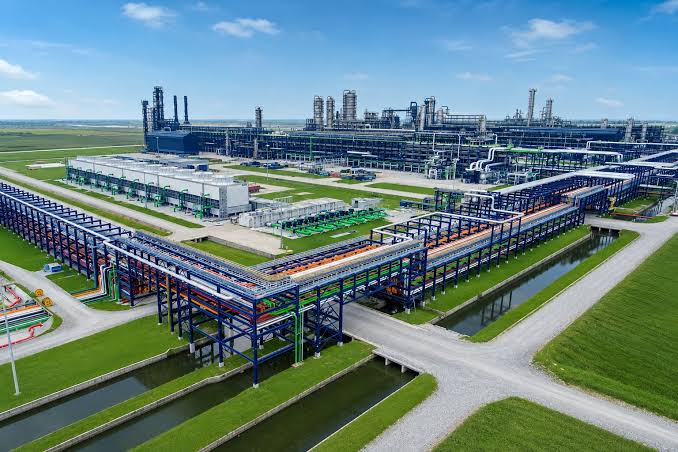
Dangote Petroleum Refinery’s initial public offering has secured enough commitments from Nigerian and retail investors to meet its fundraising target, Bloomberg reported. Overseas investors may now face limited allocations.
Citing people familiar with the matter, Bloomberg said domestic and retail investors have put in between $1.5 billion and $1.6 billion in fully funded commitments. That means the target was effectively met before the company fully accommodated international demand. The company is expected to use a 30 per cent over-allotment option, which could lift the total raised to about $2.1 billion and leave more room for foreign buyers. Even then, foreign demand could still outstrip the shares on offer.
Aliko Dangote, Africa’s richest man, pushed the application deadline back by two weeks to 27 October to widen access across the continent. According to the report, investors from all 54 African countries have applied, which is described as unprecedented continental participation. Applicants come from 119 countries in total. The offering includes nominee structures involving Standard Bank Group, Egypt and Ethiopia, along with global depository receipts listed on exchanges in Kenya and Botswana. These arrangements are meant to open the shares to investors beyond Nigeria.
If demand far exceeds supply, Dangote could sell part of his own stake to investors who miss out in the IPO. That would be a separate secondary sale of existing shares, not new shares issued by the company. Bloomberg reported that any decision would depend on the final order book, and that none had been made when it published.
Speaking in Gaborone, Botswana, on 14 October, Dangote said demand had already passed the target, at around three to four times what the company was seeking.
The refinery is one of Africa’s biggest industrial projects, and the IPO gives international investors a rare chance to buy into it. The level of African demand also suggests that domestic and regional markets can fund large industrial assets without leaning only on financial centres such as London and New York. How much extra participation can be accommodated will depend on the final allocation, whether the over-allotment option is used and whether a secondary sale goes ahead. The result will also show how much appetite there is for big African industrial investments, and whether the continent’s capital markets can raise money across borders.
Discover more from CLARITYNEWSNG
Subscribe to get the latest posts sent to your email.