
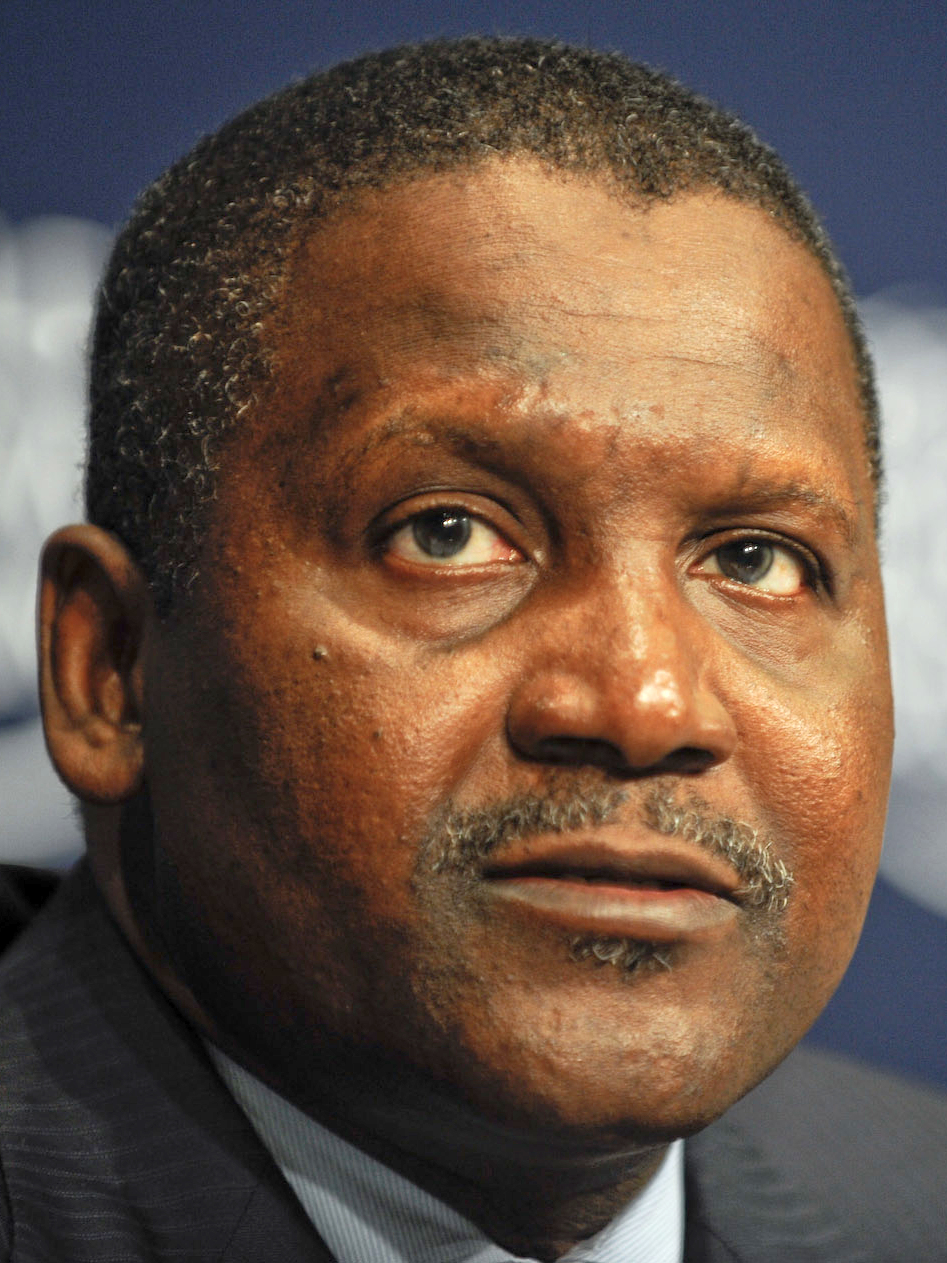
Africa’s richest man, Aliko Dangote, has acquired a 25 per cent stake in the Kenya Pipeline Company (KPC) in a deal valued at about $327.4 million, extending his reach in East Africa’s petroleum sector as work begins on a planned $16 billion refinery in the country.
By: Tunji Okunlola
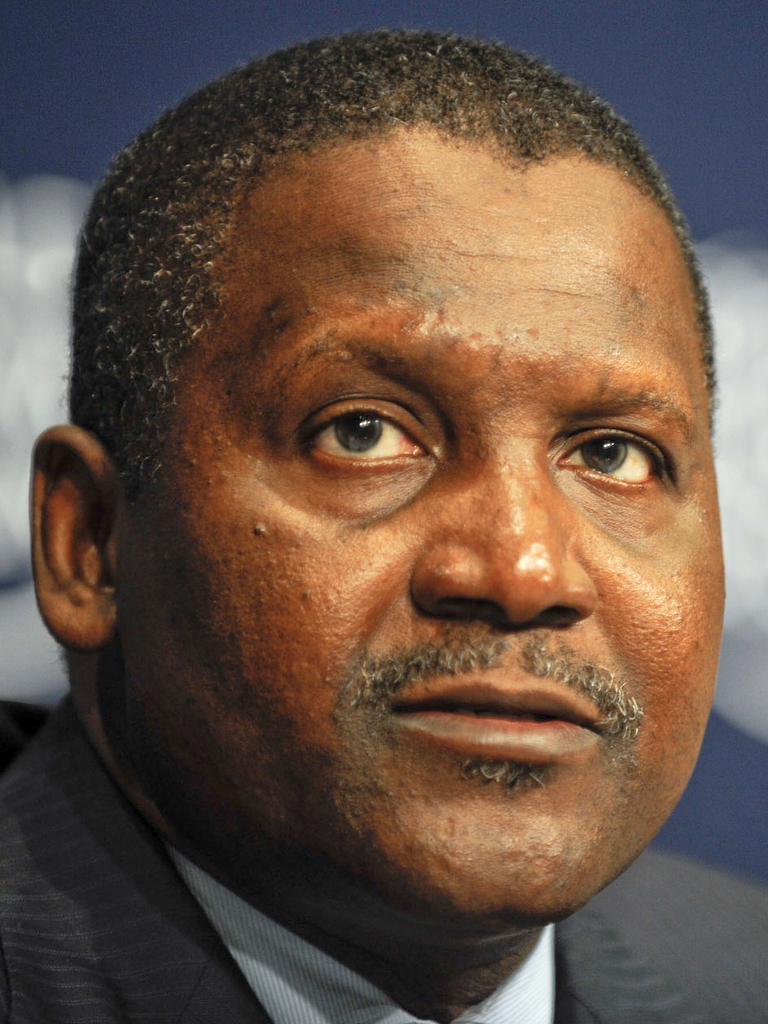
Dangote disclosed the purchase on Wednesday at the Financial Times Africa Summit in London. “We bought 25 per cent of their pipeline network for the distribution of petroleum products,” he said. A Nairobi Securities Exchange filing released on Monday put the transaction at roughly 4.5 billion shares.
KPC, which was fully state-owned until the Kenyan government floated 65 per cent of its shares earlier this year, runs a pipeline network of about 1,300 kilometres. The system carries diesel, petrol and jet fuel from the port of Mombasa to inland markets and to neighbouring Uganda, the Democratic Republic of Congo, South Sudan and Rwanda. The company was established in 1973 and began commercial operations in 1978.
Refinery progress
The stake comes as Dangote pushes ahead with a 700,000-barrel-per-day refinery at Lamu on Kenya’s coast. Modelled on his existing Lekki refinery in Lagos, the project broke ground on September 30 and is estimated to cost between $16 billion and $17 billion. Dangote said construction would take about 40 months, with operations expected to begin in early 2030.
The groundbreaking was attended by Kenyan President William Ruto and four other African heads of state. Ruto said Kenya’s National Infrastructure Fund was interested in taking an equity stake in the refinery.
Heavy equipment is already arriving. The vessel MV Great Prosperity docked at Lamu Port with 154 pieces of construction equipment from China, following the September 26 delivery of more than 2,930 metric tonnes of materials by MV Da Yang Bai. Lamu Port General Manager Abdulaziz Mzee said more shipments were expected in the coming weeks, with some equipment also moving by road from Mombasa. The Nation (Kenya) first reported the latest arrival.
The complex will also include a power plant of about 1,000 megawatts, fertiliser production and petrochemical units. The project is projected to create about 60,000 jobs during construction and operation. “Lekki refinery in Nigeria proved that it is capable, so Lamu must prove that it can be repeated,” Dangote said at the ceremony.
Wider distribution plans
Dangote said distribution is central to his strategy, adding, “We are going very aggressively with that.” He outlined plans for fuel storage hubs in other markets, including:
- Namibia: a 330 million litre tank farm at Walvis Bay, which would more than triple the capacity of the country’s national storage facility. Work is to start after a groundbreaking early next month.
- Djibouti: a facility to supply Ethiopia.
- Cameroon: a facility for which he said plans were being finalised.
His company aims to invest $50 billion by 2030 and reach $100 billion in revenue by that date.
Defending oil and protectionism
Dangote dismissed suggestions that he should shift toward renewables, saying recent events involving Iran had vindicated his approach. He said his refinery supplies over 20 per cent of jet fuel in Europe. “People who have deceived themselves that there’s going to be an energy transition, they can do that. We will go the other way,” he said.
He also defended the trade protection he has received in the countries where he operates, arguing the Kenyan refinery must be viable. “It is the modus operandi of any sensible nation,” he said, citing the United States’ move to shield its industries and predicting heavier duties on Chinese vehicles imported into Europe. Applying the argument to the African Continental Free Trade Area, he said a common market should be protected. “Allowing imports to displace local production means we are exporting our jobs out of the continent and importing poverty into the continent,” he said.
Dangote named unreliable power, weak financial systems and underdeveloped industrial policy as the main obstacles to African growth. About 650 million Africans still lack electricity, which he called a prerequisite for industrialisation. “The journey has started,” he said. “But now we’re awake, and we will make it happen.”
Discover more from CLARITYNEWSNG
Subscribe to get the latest posts sent to your email.