
By: Tunji Okunlola
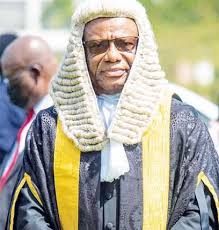
A prominent Nigerian legal practitioner has called for sweeping reforms to the country’s judiciary, warning that judicial compromise poses one of the gravest threats to Nigeria’s democracy.
Dr Charles Mekwunye, a Senior Advocate of Nigeria, made the remarks while delivering the keynote address at the 2026 Law Week of the Nigerian Bar Association, Agbor Branch, Delta State. The event was themed “Future Proofing Nigeria’s Democracy: Credible Elections and the Legal Cross-Roads.”
Mekwunye did not mince words in condemning what he described as a pattern of judicial officers using their powers to subvert the electoral will of Nigerians. “There must be consequences for judicial officers who betray their oath,” he said. “The era of impunity must end.”
He commended Chief Justice Kudirat Kekere-Ekun for recent disciplinary actions against erring judges including suspensions and compulsory retirements but stressed that more comprehensive reforms were needed to restore public trust in the judiciary.
Among his key proposals was a revision of the petition rules governing complaints to the National Judicial Council, which he argued discourage whistleblowers by requiring petitioners to identify themselves and swear affidavits. He also advocated extending the window for filing complaints against judicial officers from six months to three years.
Mekwunye took particular aim at the Supreme Court’s ruling in Federal Republic of Nigeria v. Justice H.A. Nganjiwa, which shields serving judges from criminal prosecution unless the NJC has first sanctioned them. He called the decision unconstitutional, arguing it grants judges an immunity the Constitution does not provide. He urged the Attorney-General of the Federation to pursue legislation overturning the ruling if the judiciary fails to revisit it.
On election disputes specifically, the senior lawyer criticised recent judgments in Plateau State, alleging that appellate court decisions had effectively imposed on voters candidates they had rejected at the polls. He proposed amending Section 246(3) of the Constitution to allow limited Supreme Court appeals in National and State Assembly election cases involving constitutional interpretation or the disregard of binding precedent.
Mekwunye also called for the creation of a National Judicial Council “black book” listing judges found guilty of misconduct, alongside a similar register by the Legal Practitioners’ Privileges Committee for erring senior lawyers. Judges determined by superior courts to have deliberately acted outside their jurisdiction, he argued, should be dismissed and publicly blacklisted.
He reserved a pointed closing message for those on the bench who might be tempted to place political expediency above constitutional duty: “History will judge harshly those who aid the subversion of democracy through decisions that undermine the will of the people and the supremacy of the Constitution.”
The 2026 NBA Agbor Branch Law Week continues in Delta State.
Discover more from CLARITYNEWSNG
Subscribe to get the latest posts sent to your email.