
By: Ganiyu Olayinka
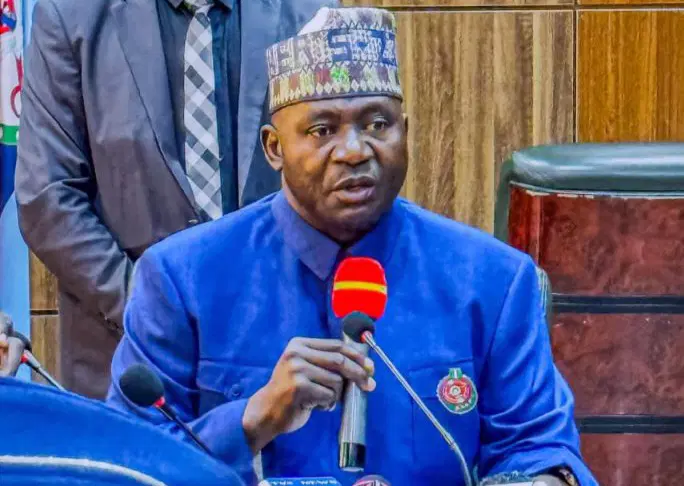
Defence Minister Gen. Christopher Musa (retd.) has shed light on the tactics security forces use to free abducted victims without engaging in gunfights or killing their captors.y
The explanation comes as public concern grows over the continued prevalence of kidnapping for ransom, and as questions persist about military operations including recent ones in Kwara State and other parts of northern Nigeria in which troops freed captives without arresting or eliminating the armed groups holding them.
Speaking on Channels Television’s Politics Today on Thursday, Musa said the approach centres on locating the criminals, sealing off their escape routes, and cutting their access to essentials such as food, water and fuel.
According to the minister, terrorists frequently abandon their captives and flee once security operations close in on them, largely because they too fear for their lives.
“Sometimes if you carry out manoeuvres… The funny thing is, the terrorists too don’t want to die. I hope you know that. All this one they’re doing carrying weapons, they don’t want to die. So once there’s anything, even if it’s a drone that comes, you see them scatter away and leave everybody. That’s what happens,” he said.
He explained further: “So what we normally do is once we’re able to identify where they are, we block avenues for them. Like I said, take out the oxygen, they will die. So those are the aspects, and that’s why as long as people go to support to sneak in, give them fuel, give them water, give them food, give them all this, these are the things that are making them thrive. Once they don’t have that, they can’t survive.”
Musa also pointed to ransom payments as a potential tool for tracking down criminal networks, noting that the Central Bank of Nigeria (CBN) is working to trace funds linked to such activities.
“I’m happy that the CBN too is living up to expectation, trying to make sure that even if we were able to trace monies that are coming in from those other areas, we can track back where they are,” he said.
On the issue of mobility, the minister called on state governors to rethink the practice of distributing motorcycles as palliatives, warning that many end up in the hands of criminal groups and boost their ability to move around undetected.
“We try to appeal to even governors to stop giving motorcycles out as palliatives. Because these motorcycles are the same ones that still end up… with these terrorists into using. Even if you have to give, don’t give them the big capacity motorcycles, give them the small capacity ones that they will not be… won’t be able to use to run around, because that gives them leverage. They can easily enter and then disappear,” he said.
Musa added that motorcycles handed out as constituency projects or palliatives could similarly end up in the hands of bandits.
Discover more from CLARITYNEWSNG
Subscribe to get the latest posts sent to your email.