By: Tunji Okunlola
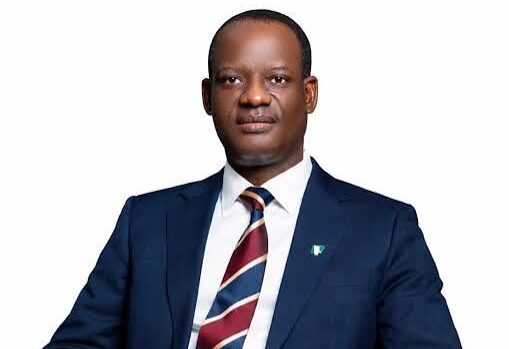
Finance Minister Taiwo Oyedele has presented a draft Nigeria Economic Policy Framework for public consultation, saying it is meant to end ad-hoc, shifting policymaking that he said undermines investment and job creation.
Delivering the opening presentation at the 32nd Nigerian Economic Summit (NES#32) in Abuja, Oyedele said Nigeria has produced many economic plans over four decades but lacks an enduring economic philosophy, consistent policymaking and disciplined implementation. He said progress from one reform is often undone by another policy, and that economic direction is reinvented with each administration.
“An invisible tax on enterprise”
Oyedele criticised how regulators sometimes announce major policies without rigorous impact assessments, change rules with immediate effect, rely on anecdote over data, and design regulations around their own convenience with little consultation. He said the consequences are that businesses cannot plan, investors hold back, capital costs more, and jobs are never created. He called policy uncertainty an invisible tax that raises no revenue and only destroys value.
What the framework is
He stressed that the document is not a development plan, a list of capital projects or an administration’s manifesto. He described it as a national economic doctrine setting out how Nigeria makes economic decisions, the principles that guide them and how progress is measured. It is a consultation draft, not approved policy, he said, and the government brought it first to the Nigerian Economic Summit Group (NESG) because of the platform’s role in building consensus.
The framework’s vision is a productive, competitive, diversified and inclusive economy that delivers quality jobs and higher real household incomes. Oyedele said success should be proven on the ground, in graduates finding productive work, farmers with higher yields and smaller post-harvest losses, and small businesses scaling without overlapping taxes, arbitrary regulation or punitive financing costs. He said per capita income matters more than GDP growth, and actual domestic capital formation matters more than investment announcements.
It organises priorities around seven systems: stability, productivity, enterprise, capital, people, markets and institutions. It rests on three principles:
- Enterprise as the engine of growth, with the state providing public goods, the rule of law and protection for the vulnerable.
- Open but fair markets, where tariffs act as a runway for local industry and not permanent protection from competition.
- Whole-of-government coherence, so that agencies align to improve the national economy and don’t expand their own mandates.
Policy Impact Statement and annual scorecard
Under the draft, no major economic intervention, whether a tax change, tariff shift, regulatory restriction or incentive, should be made without a Policy Impact Statement. It must state the problem being solved, the data behind it, who benefits and who bears the costs, and when the measure would end.
The framework also proposes an annual National Economic Scorecard, published on or before Independence Day, to show on one page whether real wages are rising, productive jobs are growing and poverty is falling.
Consultation and next steps
The draft is open for public comment on seventeen core questions until November 27, 2026, through the Finance Ministry’s website. After validation, it will go to the Federal Executive Council for approval and the National Economic Council for endorsement. Oyedele invited the NESG and the private sector to critique the draft and help turn it into “an enduring covenant.”
Discover more from CLARITYNEWSNG
Subscribe to get the latest posts sent to your email.