By: Tunji Okunlola
The next stage of Nigeria’s economic reforms must focus on lower production costs, reliable infrastructure, productive investment and more effective public spending, the chairman of the Nigerian Economic Summit Group (NESG), Olaniyi Yusuf, has said.
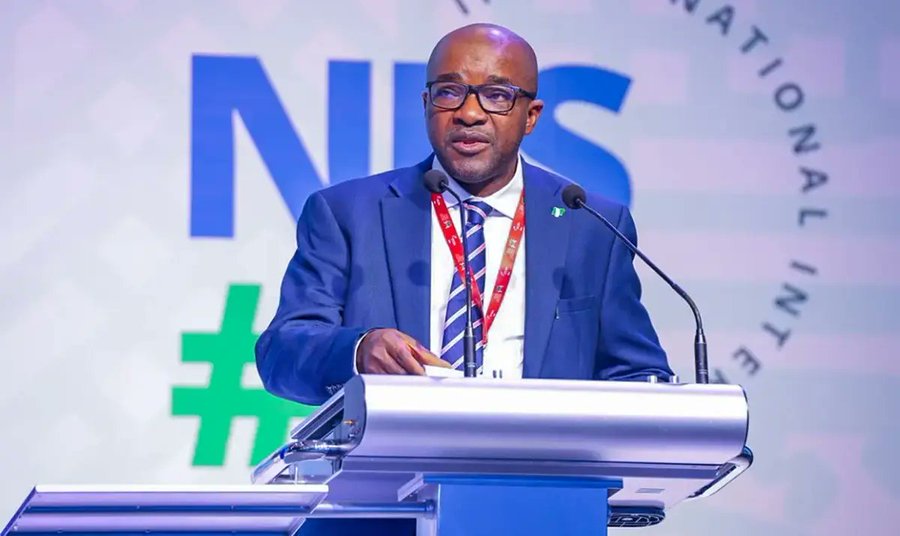
Speaking on Monday at the 32nd Nigerian Economic Summit (NES32), Yusuf said the country must now move from reforms to results that people can feel: decent jobs, stronger purchasing power, lower poverty and higher productivity.
Indicators improving, but constraints remain
Yusuf said key macroeconomic indicators are improving, but major constraints limit how far the gains reach businesses and households. He said:
- Real GDP grew 4.43 percent year-on-year in the second quarter of 2026, up from 3.89 percent in the first quarter.
- Headline inflation fell to 14.63 percent in September, from 34.8 percent in 2024.
- Gross external reserves averaged about $55.1 billion in October 2026.
He cautioned that food inflation remains high at 19.59 percent in September, and that slower inflation does not mean goods have become cheaper, only that prices are rising more slowly from levels already straining household budgets. He also pointed to a contraction of about 11.6 percent in electricity and gas sector output in the first half of 2026.
“Growth that works”
Yusuf said the summit’s theme, “Growth That Works: Delivering Jobs, Productivity and Shared Prosperity,” reflects the need for growth that creates value, widens opportunity and raises living standards. He said Nigeria must also tackle poverty, food insecurity and gaps in access to quality education, health care, nutrition and productive work, and build wealth for present and future generations.
Role of the private sector
The private sector, he said, will be central to Nigeria’s transformation because businesses organise production, employ workers and connect markets, but they need a supportive environment. He said unreliable electricity, costly finance, poor transport infrastructure, insecurity and regulatory uncertainty raise costs and volatility, especially for small and medium-sized enterprises.
He said government must keep the economy stable, provide essential public goods and ensure predictable regulation, while businesses should invest in technology, skills, local supply chains and export competitiveness.
Leadership change
Yusuf announced that Omoboyede Olusanya, group managing director of Flour Mills of Nigeria Plc and the NESG’s current vice-chairman, will succeed him as chairman, following board approval. He said Olusanya chairs the group’s nomination and governance committee and its Food Security Business Council, and is one of three co-chairs appointed by the vice president to lead the private sector partnership group of the national human capital strategy 2.0. He said Olusanya’s experience leading major Nigerian companies would bring valuable perspective, adding, “With him, the NESG is in very valuable hands.”
As he prepares to leave office, Yusuf urged members, partners and stakeholders to give his successor the same support they gave him.
Who is Olaniyi Yusuf?
Olaniyi “Niyi” Yusuf is a management consultant who has chaired the NESG, which describes itself as a non-profit, non-partisan think tank, since 2022, having previously been its first vice-chairman and having taken over from Asue Ighodalo. He was Country Managing Director of Accenture Nigeria from 2010 to 2019, and joined the firm, then Arthur Andersen’s management consulting division, in 1995. He is a managing partner at Verraki Partners. He holds a degree in computer science and economics from Obafemi Awolowo University. He has served the NESG for over a decade in various roles, including as champion of its Science and Technology Policy Commission.
Discover more from CLARITYNEWSNG
Subscribe to get the latest posts sent to your email.